
Romynox: the iris valve reengineered
A cleanroom wall has to stay sealed even where a hose passes through it, and every passthrough is a weak point for contamination. Romynox's iris valve solves that: a fully injection-molded, biopharmaceutical grade valve built to seal hose passthroughs in cleanrooms and survive autoclaving, ethanol, hydrogen peroxide, IPA, and Actisan without breaking down.
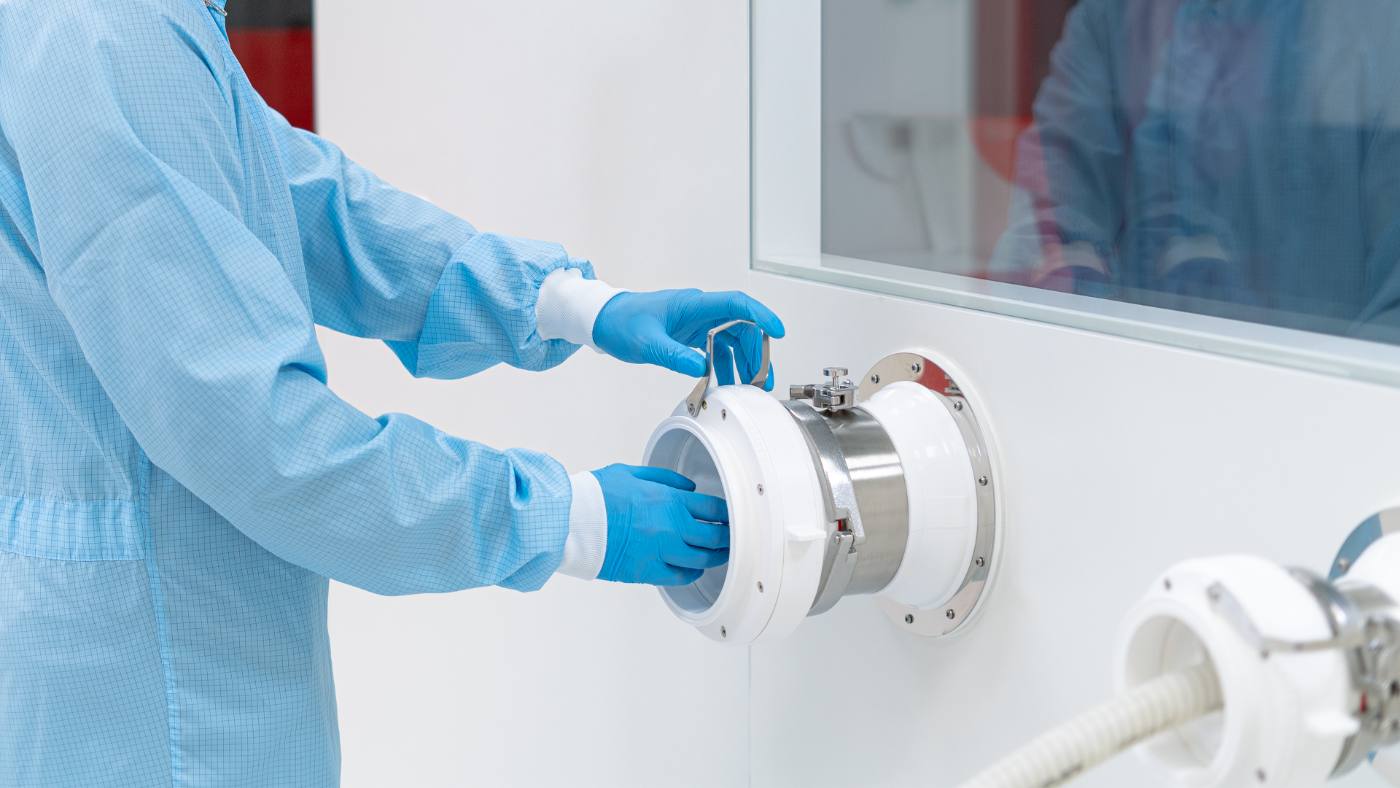
Rethinking a valve pharma companies rely on every day
Together with ManGo Product Design, Production Heroes manufactures Romynox's iris valve: fully injection-molded rather than machined from stainless steel, engineered for a compact footprint and light enough to handle easily despite the demands of a cleanroom environment.
There's no room for a seal that's "close enough" on a valve opened and closed daily in a sterile environment. Every valve has to survive repeated autoclaving and disinfection without degrading, which is why Romynox and Production Heroes have kept refining this design over five years, expanding it into additional valve sizes as it proved itself.
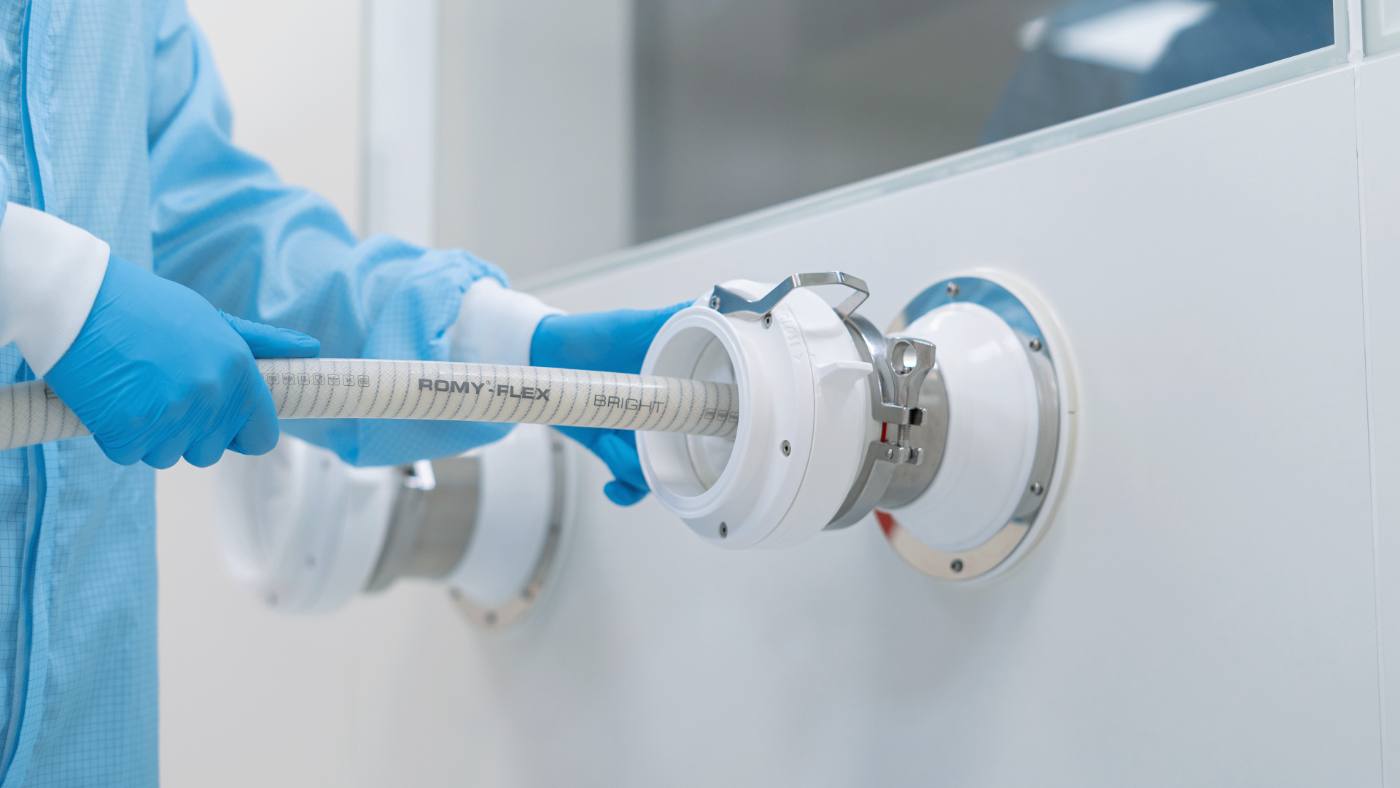
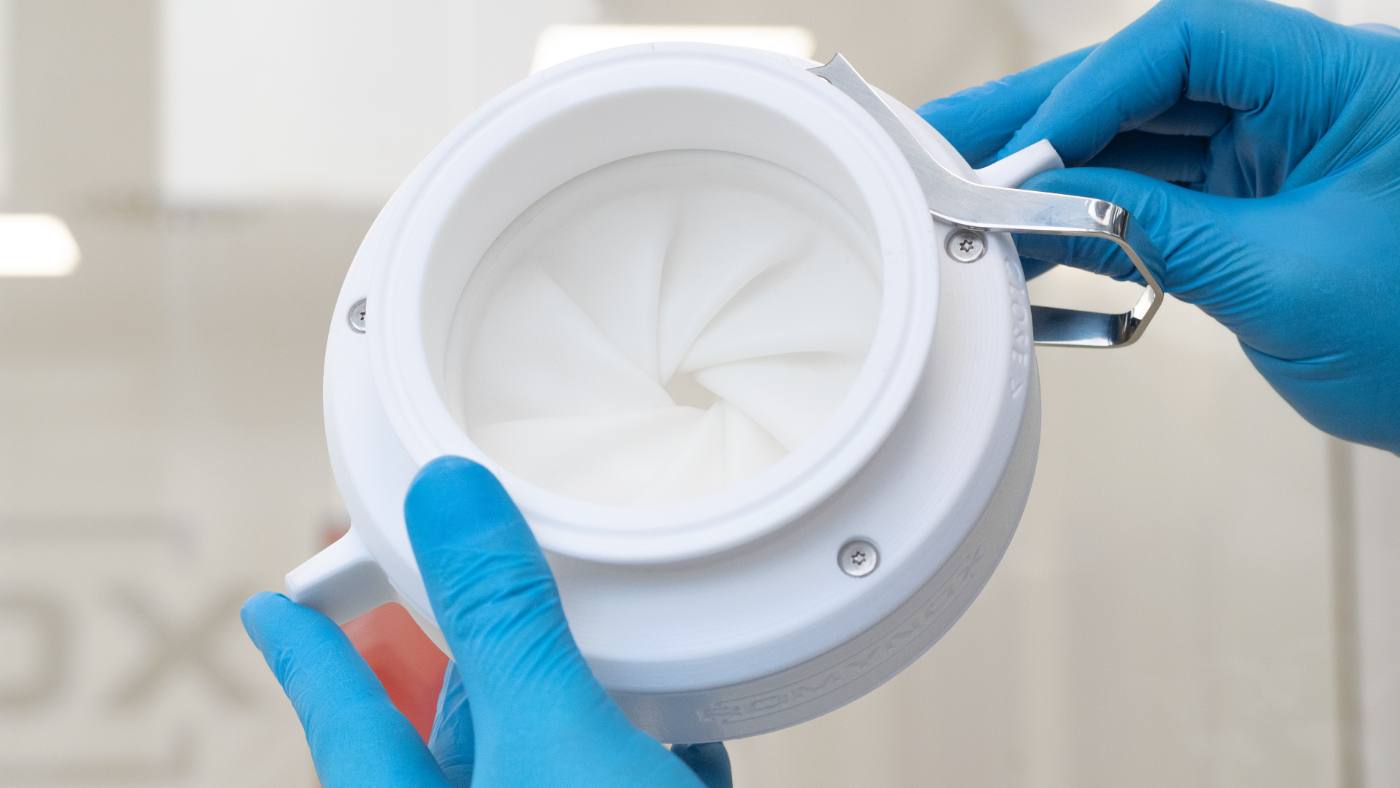
Production Heroes manufactures Romynox's iris valve, fully injection-molded rather than machined from stainless steel. That included:
A dual-handle mechanism that spreads the effort of opening and closing across two hands
A metal bracket that acts as a brake and lock, holding the valve securely in position
A redesigned, individually replaceable sleeve, for easier mounting and cleaning
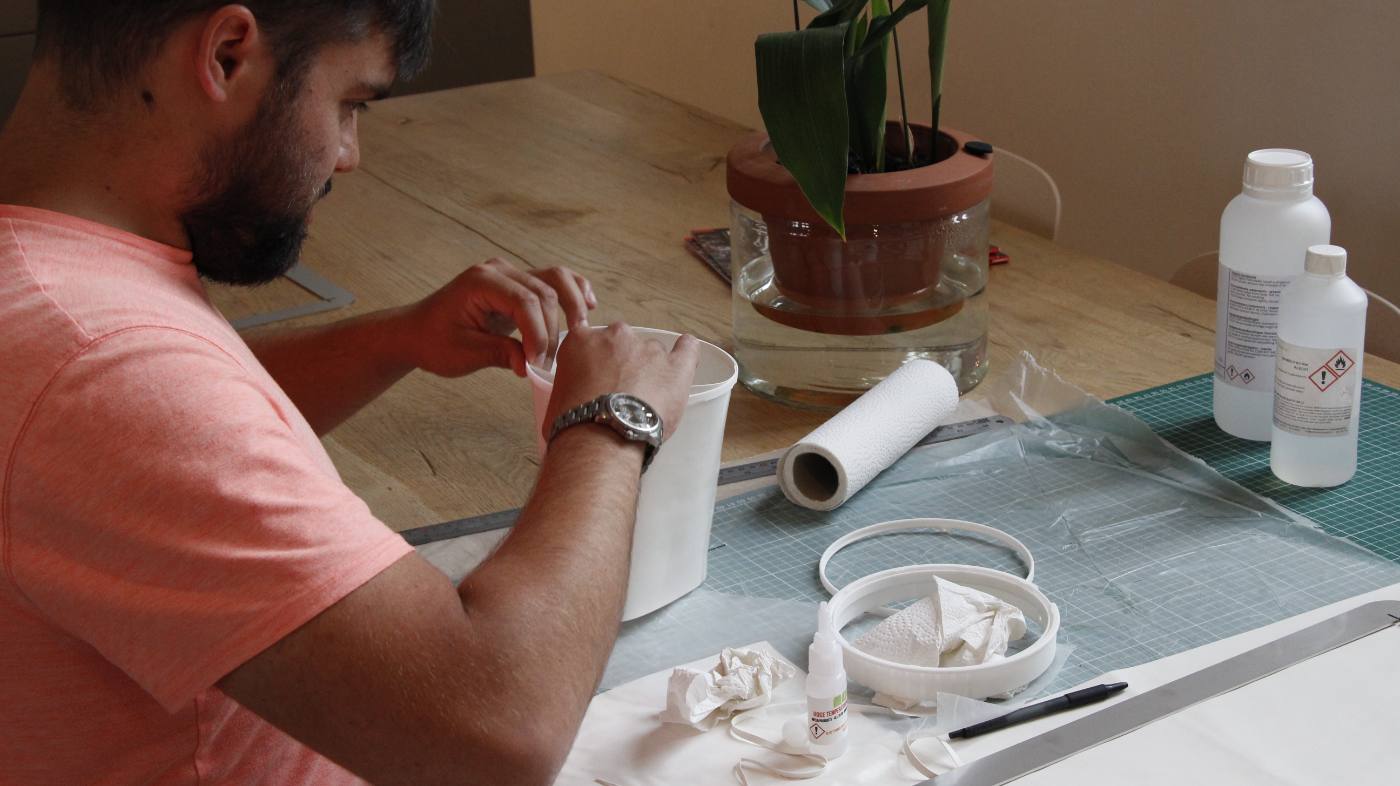
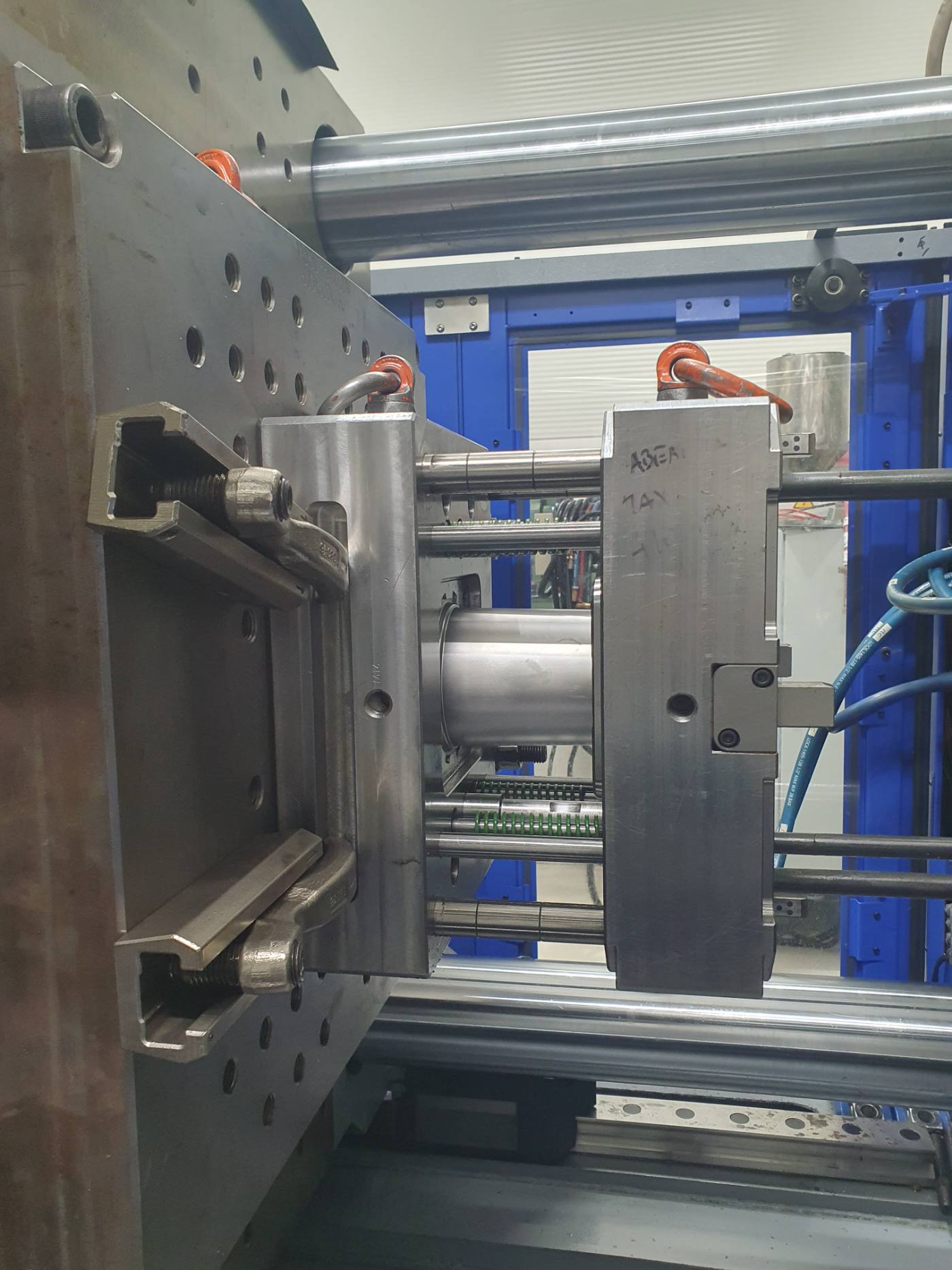
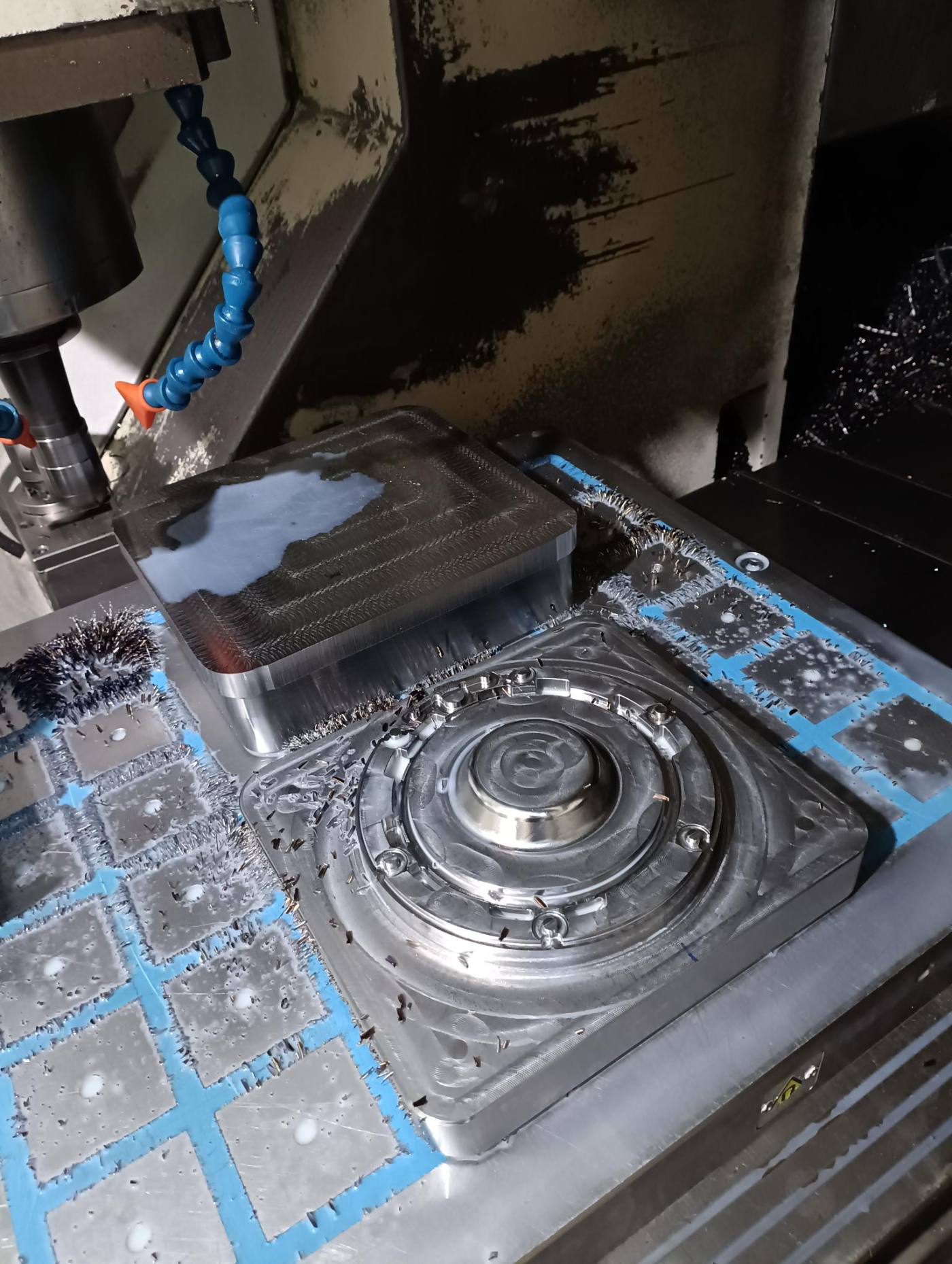
Injection molding instead of machining changes what the valve can do:
30% lower cost than a traditional stainless-steel valve
Significantly lighter than the valve it replaces
Individually replaceable components, cutting lifetime costs instead of requiring a full replacement
Injection molding itself produces less material waste than machining from solid stock
30% lower cost than the stainless-steel valves it replaces
Outperforms traditional valves on hygiene, ergonomics, durability, weight, and sustainability
Successful enough to expand into additional valve sizes
Are you the next hero?
Send us your drawings. An engineer will tell you whether it can be made, what it costs per unit, and how fast it can reach your market.