
When you are looking for the right way to make your product parts, choosing the correct manufacturing method matters. Injection molding and blow molding are two of the most common production methods, and each has advantages over the other. In this article we look at both options, so you can decide which process fits your parts best.
Injection molding
The injection molding process starts by melting the plastic material and injecting it into the mold cavity. Once the molten plastic is in the mold it cools and takes on the required shape. The result is usually the final part, which needs little further processing (the surface finish is normally built into the mold design) before it is assembled into an end product.
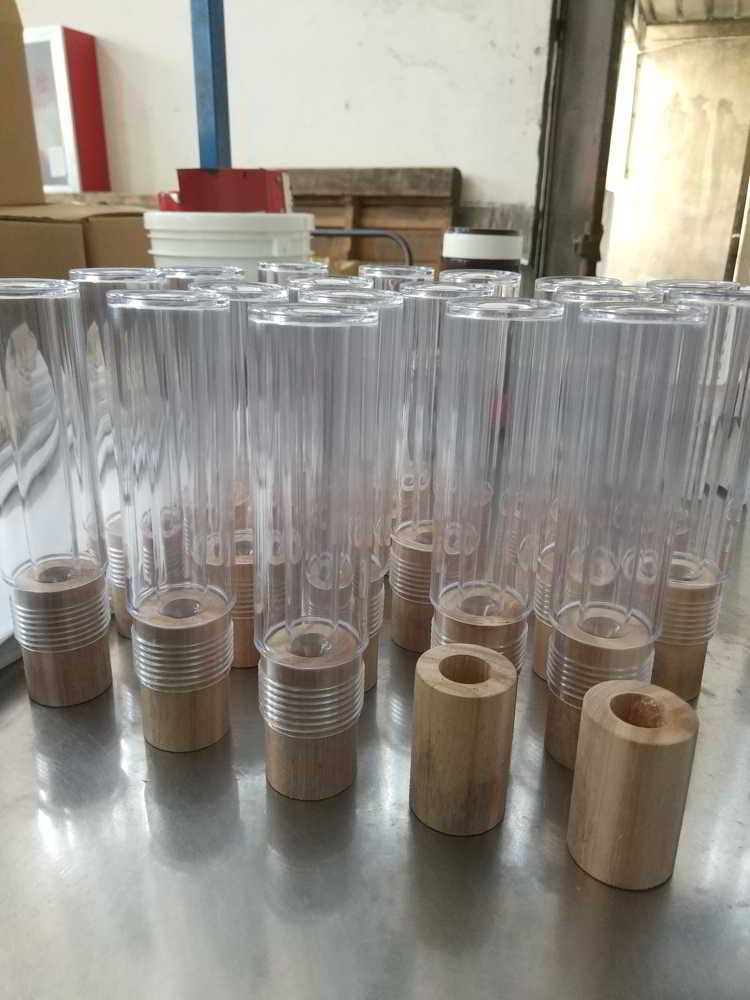
Many details, such as bulges, ribs and threads, can be molded in a single injection molding step. An injection molding machine has two essential parts: the injection unit that melts the plastic and feeds it into the mold, and the clamping unit that holds the mold. Controlling the process comes down to two crucial steps:
1. The mold has to be closed under pressure. 2. The pressure and the speed at which the melt is injected into the mold have to be controlled.
There are two common types of injection unit: a reciprocating screw, and a two-stage screw preplasticiser, in which one screw plasticises the material and a second stage injects it. The advantage of the two-stage setup is a constant melt quality, high pressure and speed, and precise control over the shot volume. Those strengths are what you need for transparent parts, thin-walled products and high production speeds. The downsides are an uneven residence time (which can degrade the material), plus higher equipment and maintenance costs.
Blow molding
Blow molding is a manufacturing method that is widely used in the plastics industry to make strong, hollow containers. Typical products made this way are fuel tanks, plastic drums and PET bottles. A blow molding process involves melting plastic into a hollow tube, known as a parison, placing that tube between the halves of a mold, and blowing air into the mold under pressure until the plastic expands to the shape of the mold. The two halves then separate and release the finished product.
Blow molding took off in the late 1950s, when the arrival of high-density polyethylene and the development of the blow molding machine made the technology widely available. Hollow containers made this way can hold anything from a few millilitres up to thousands of litres, and much of the process is automated. It is suitable for polyethylene, PVC, polypropylene, polyester and many other polymers.
Blow molding and injection molding at Production Heroes
As a manufacturing company, our priority is high-end, sustainable products. Blow molding and [injection molding](/process) are the production methods most used by consumers and companies to make plastic products. Production Heroes works with the best manufacturing partners around the world, and you can see some of our injection molded products in our [project cases](/projects), including [Higo Sense](/projects/higo-sense).
Looking for a high-end [product manufacturer](/process)? Get in touch. We guide you all the way through, with transparent and frequent communication. And we do more than manufacture: we have two dozen professionals on our floor with over twenty years of experience in design, engineering and manufacturing, who can help take your innovation to the next level.
Frequently asked questions
- Which process fits my product, blow molding or injection molding?
- Hollow containers such as bottles, fuel tanks and drums are made by blow molding. Solid parts that need details like ribs, bosses or threads are made by injection molding, usually in a single step.
- Can threads and ribs be molded in one shot?
- Yes. Injection molding forms details such as bulges, ribs and threads in a single step, and the surface finish is normally built into the mold, so parts need little further processing.
- What volumes can blow molding handle?
- Hollow containers made this way range from a few millilitres up to thousands of litres, and much of the process is automated, which keeps the piece price down at higher volumes.
- Which materials can be blow molded?
- Polyethylene, PVC, polypropylene, polyester and many other polymers. High-density polyethylene is what made the technology widely available in the first place.